October 9, 2026
Working with a professional HVAC provider often begins with a conversation about the comfort concerns you are experiencing. Whether your home is not warming evenly, your system has stopped operating, or you are considering replacing aging equipment, the initial consultation gives the technician an opportunity to understand the situation before recommending a course of action. You may be asked about recent changes in performance, unusual sounds, inconsistent temperatures, or other concerns that could help narrow down the source of the problem.
A Heating company may also ask questions about the age and general history of your equipment. Information about previous repairs, maintenance visits, and recurring problems can provide useful context. You do not necessarily need detailed technical knowledge about your system. Simply describing what you have noticed and when the problem occurs can help the technician determine which areas require closer attention.
Understanding the System Evaluation
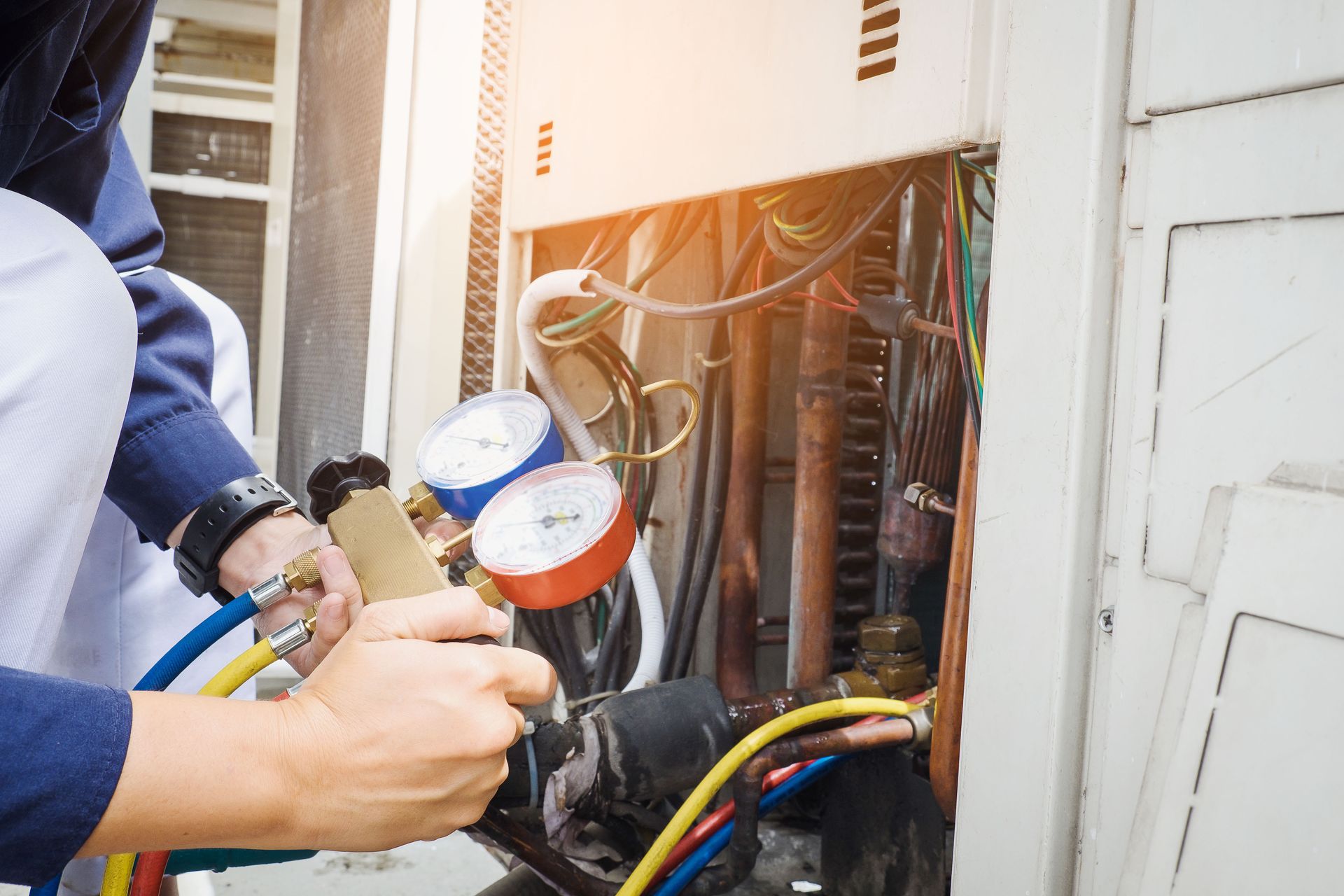
After gathering basic information, the technician will typically evaluate the heating equipment and related components. The exact scope of the evaluation depends on the type of system and the reason for the service call. A Heating company may examine the equipment for signs of wear, operational problems, airflow concerns, or components that are no longer performing as intended.
Homeowners can expect the technician to explain significant findings after the evaluation. Technical terminology can sometimes make HVAC discussions difficult to follow, so asking questions can be useful when something is unclear. Understanding what has been identified, why it matters, and what options are available can make it easier to make informed decisions about the property.
Understanding the Recommended Services
Once the system has been evaluated, the next stage usually involves reviewing the recommended service. Depending on the condition of the equipment, this could involve maintenance, a specific repair, or discussion of replacement. A Heating company should be able to explain what work is being proposed and how that work relates to the issue identified during the evaluation.
Repair may be appropriate when a particular component is causing a problem, and the rest of the system remains serviceable. In other situations, recurring failures, aging equipment, or broader performance concerns may lead to a conversation about replacement. The appropriate option depends on the circumstances, which is why a professional assessment is valuable before committing to substantial work.
Demand for these services remains considerable. According to ConsumerAffairs®, people in the U.S. replace an average of 3 million climate control systems each year, creating significant ongoing demand for installation and repair services. This volume reflects how routinely homeowners must make decisions about maintaining, repairing, and eventually replacing essential comfort equipment.
Understanding the Service Estimate
Before significant work begins, homeowners will generally receive information about the anticipated service and its cost. Estimates can vary depending on the equipment, the parts involved, the complexity of the work, and whether additional issues are discovered during the process. Reviewing the estimate carefully can help prevent misunderstandings and provide a clearer picture of what the proposed service includes.
When speaking with a Heating company, homeowners can ask what labor, equipment, materials, or other services are included in the estimate. It may also be helpful to understand whether the recommended work addresses the immediate problem alone or whether other related concerns have been identified. Clear estimates make it easier to compare the proposed work with the findings discussed during the evaluation.
If replacement is recommended, the estimate may involve more considerations than a straightforward repair. Equipment selection, compatibility with the home, installation requirements, and the condition of existing components can all affect the project. Homeowners should feel comfortable asking for clarification before authorizing work, particularly when several options are being considered.
Understanding the Repair Process
When repair is the selected approach, the technician will complete the work necessary to address the diagnosed issue. The process varies considerably depending on the system and component involved. Some repairs are relatively contained, while others require more extensive access to the equipment or additional evaluation once work is underway.
A Heating company may need to replace a worn or failed component, correct an operational problem, or address another condition affecting system performance. Professional technicians should perform the work in accordance with the needs of the equipment rather than relying on temporary measures that do not address the identified problem.
Communication remains important throughout this stage. If the technician discovers an additional issue that changes the expected scope of the work, homeowners should receive an explanation before substantial additional service is performed. Once the repair is complete, the system can be checked to determine whether the original concern has been resolved and whether the equipment is operating appropriately.
Understanding the Replacement Process
Replacement involves a broader assessment because new heating equipment must work effectively within the existing home. The process may include evaluating the current system, considering the property’s heating requirements, and identifying equipment that is suitable for the application. Simply replacing old equipment without considering these factors may overlook conditions that affect comfort and performance.
When replacement becomes necessary, a Heating company can explain the available equipment choices and the considerations associated with installation. Homeowners may want to discuss efficiency, system type, compatibility, maintenance needs, and other practical factors that influence long-term ownership. The objective is to understand how the proposed equipment fits the property’s needs rather than selecting a system based on a single feature.
Installation may also involve removing existing equipment and making appropriate connections for the new system. After installation, the technician can verify operation and explain important information about using and maintaining the equipment. Homeowners should keep relevant documentation for future reference, particularly information related to service and equipment coverage.
Understanding the Maintenance Relationship
The relationship with an HVAC provider does not necessarily end after a repair or installation. Heating systems require ongoing attention, and routine professional maintenance can provide opportunities to identify wear, performance concerns, or developing problems before they become more disruptive.
A Heating company can explain what maintenance is appropriate for the specific equipment in the home. During a professional maintenance visit, technicians may evaluate system condition, inspect relevant components, and confirm that the equipment is operating as expected. The exact work performed will depend on the system and its requirements.
Homeowners can also use these visits to mention changes they have noticed since the previous service. Unusual sounds, inconsistent comfort, unexpected cycling, or changes in performance can provide useful information. Maintaining a record of professional service may also make it easier to understand the equipment’s history if problems arise later.
Understanding the Value of Communication
Successful HVAC service depends on communication between the homeowner and service provider. Homeowners should describe symptoms accurately, ask questions when recommendations are unclear, and review proposed work before authorizing it. Technicians, in turn, should explain their findings in understandable terms and provide enough information for homeowners to evaluate their options.
Choosing a Heating company is therefore about more than having someone arrive and work on a piece of equipment. The service relationship can include diagnosis, education, repair, replacement planning, and ongoing maintenance. Knowing what to expect at each stage can help homeowners approach heating concerns with greater clarity and make decisions based on the actual condition of their systems.
A thoughtful service process also helps establish realistic expectations. Not every comfort issue requires replacement, and not every malfunction can be resolved with a minor repair. A professional evaluation provides the information needed to distinguish between those situations and determine an appropriate path forward.
Understanding the Next Steps
Heating equipment plays an important role in maintaining a comfortable home, so unexpected problems can quickly become disruptive. Knowing what happens during consultation, evaluation, repair, replacement, and maintenance can make the service experience easier to navigate. A qualified Heating company can assess the equipment, explain its findings, discuss available options, and complete the appropriate professional service.
If your heating system needs professional attention, contact B&S Comfort Solutions, LLC. We can evaluate your heating needs, discuss our findings with you, and help you understand the service options available for your home. Reach out to us to schedule service and learn more about how our team can assist with your heating and comfort needs.