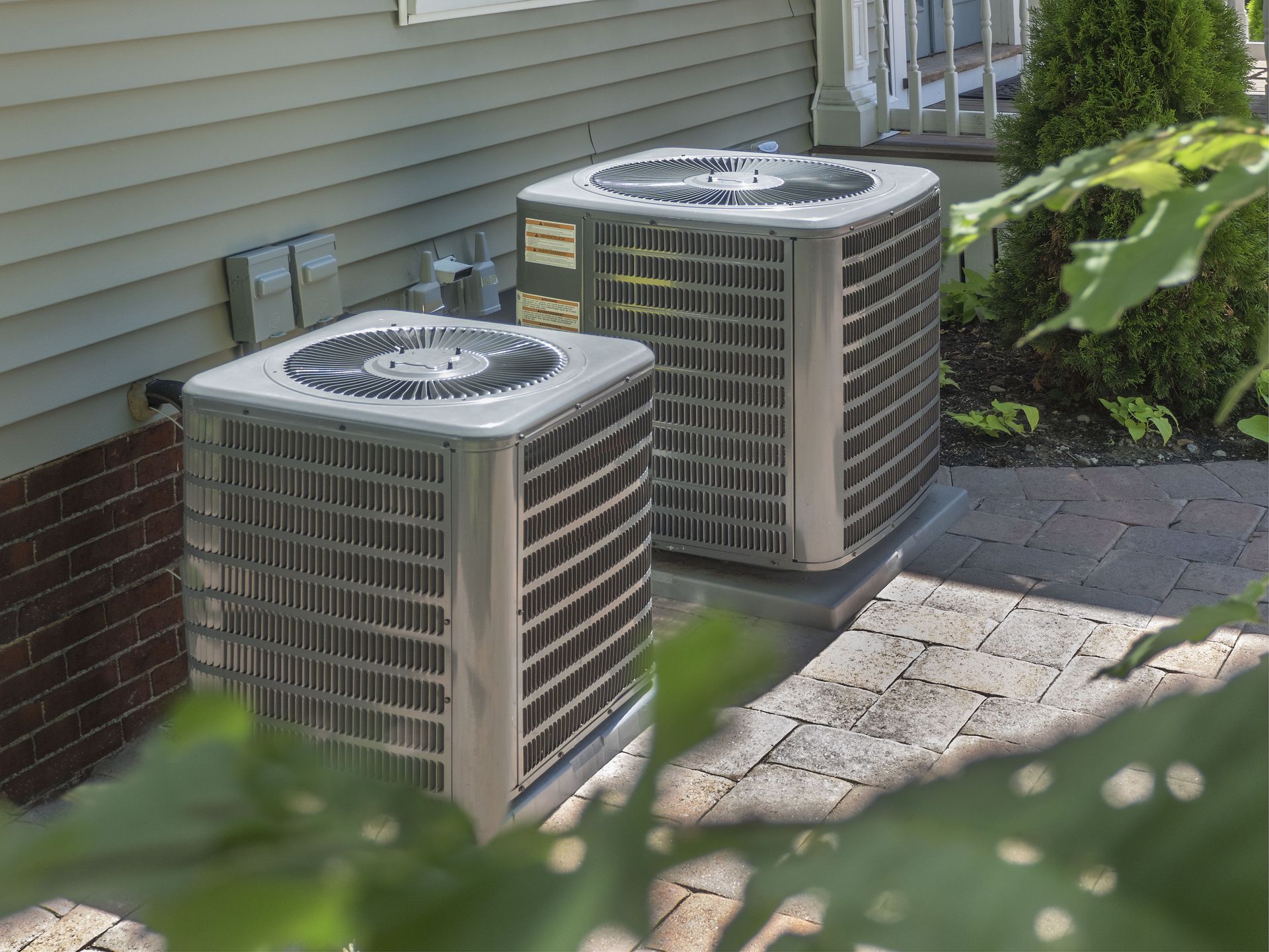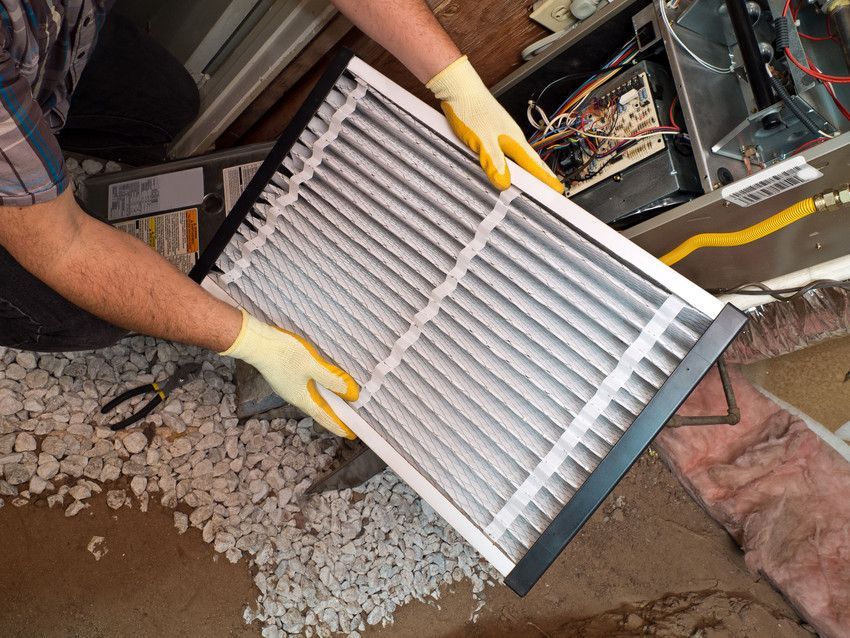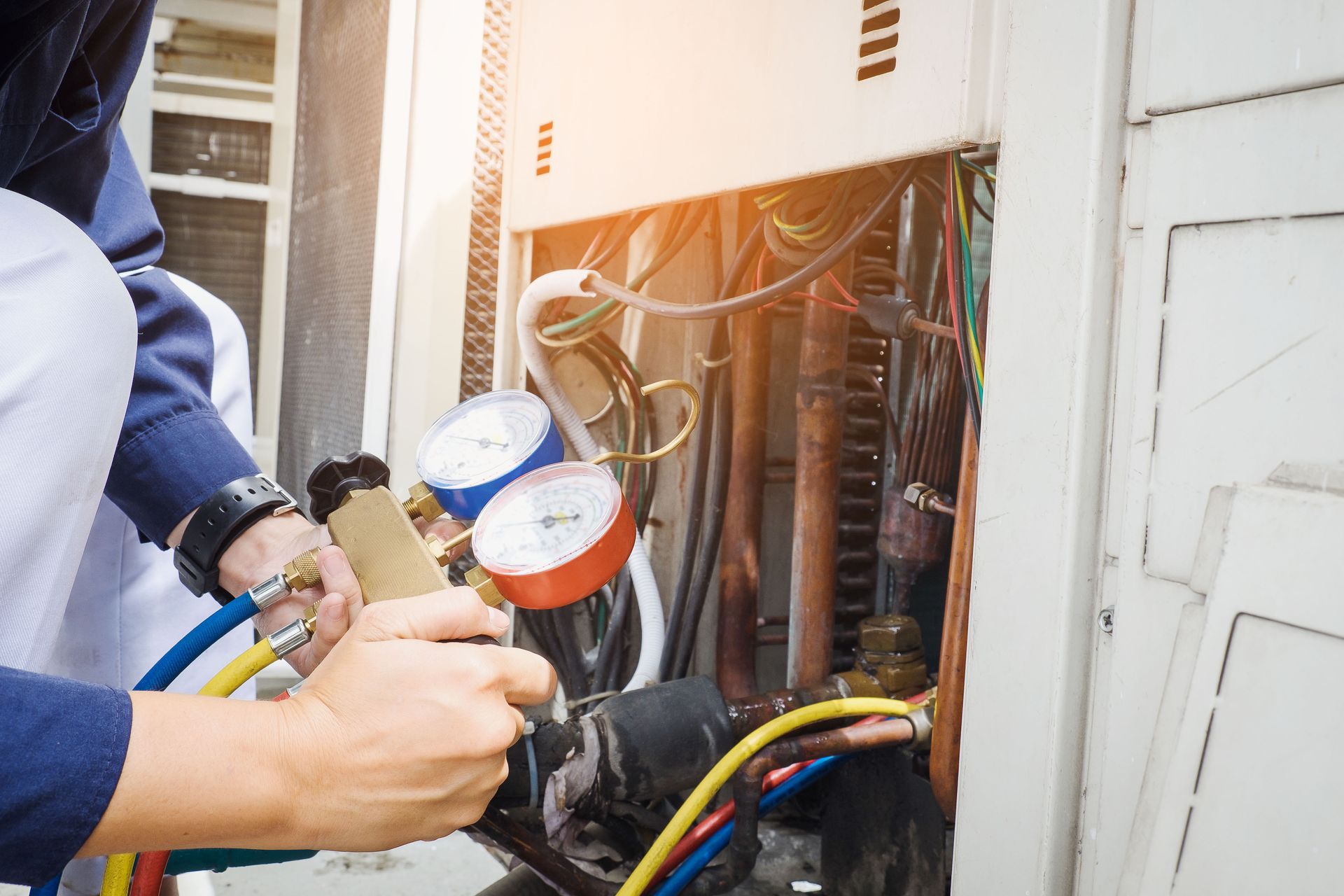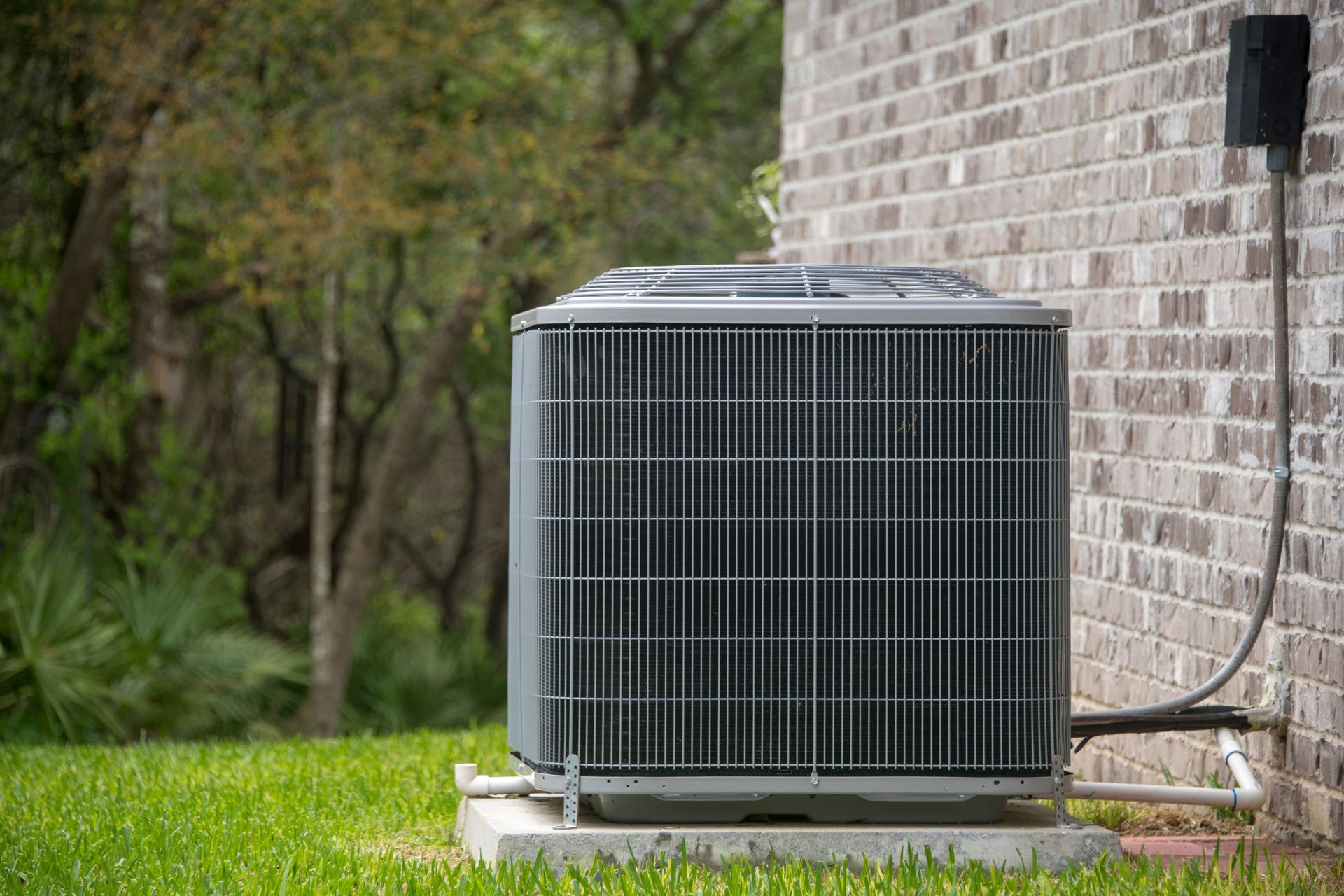
In this comprehensive guide, we'll explore the tell-tale signs indicating your HVAC unit may need replacing. From efficiency loss to frequent repairs, understanding these signs can help you make informed decisions about your home comfort system. Many homes across the U.S., approximately 90% according to Webinar Care, rely on air conditioning systems and HVAC units for maintaining comfort. Ensuring that your HVAC system is functioning optimally not only contributes to household comfort but also impacts energy usage and costs. Learn how to recognize when it might be time to invest in a new unit, enhancing performance and efficiency in your home.
1. Seeing High Energy Bills
Unexplained Increase in Costs
One of the primary indicators that your HVAC system is overdue for a replacement is an unexplained surge in your energy bills. If there is no significant change in your usage habits but your bills are climbing, the problem could be your aging unit. An older system often struggles to maintain efficiency, resulting in higher energy consumption. Over time, wear and tear degrades the performance of various components, forcing the unit to use more electricity to achieve the same cooling or heating output. Analyzing your energy bills can give you insights into the increasing costs attributed to your outdated HVAC system.
Inefficiency Due to Age
As HVAC systems age, they become less efficient, largely due to the natural degradation of components over time. An HVAC unit typically lasts 10 to 15 years, after which its efficiency substantially drops. Technological advancements have dramatically improved the efficiency of newer models, highlighting the inefficiency of older units. A standard older system will consume more energy for the same level of cooling, resulting in heightened electricity bills. Inefficient older units may lack the energy-saving technologies inherent in modern designs, further exacerbating this issue.
Lack of Modern Energy-Saving Features
Modern HVAC systems come equipped with numerous energy-saving features that older units simply do not possess. Smart thermostats, variable-speed motors, and superior insulation are some of the latest features that contribute to enhanced efficiency. Without these technologies, older systems tend to consume more power to achieve the desired comfort levels. As energy efficiency standards continue to evolve, the gap between old and new equipment becomes more pronounced. Keeping pace with these advances is crucial for maintaining a cost-effective and eco-friendly household.
2. Needing Frequent Repairs
Cost of Repairs vs. Replacement
Ongoing repairs can quickly add up to the cost of a new HVAC system. If you find yourself frequently calling technicians to fix your unit, you might be throwing money away on a system that's on its last legs. An initial assessment of the costs of ongoing repairs compared to the cost of a new unit can help determine the best course of action. In many cases, particularly as the average cost of repairs begins to approach that of a new unit, replacement becomes financially prudent. It's vital to evaluate this ratio to avoid unnecessary expenses in maintaining a failing system.
History of Breakdowns
Frequent breakdowns are a clear indication that your HVAC system may be beyond its viable service life. These breakdowns can lead to substantial discomfort as well as increased repair costs. A thorough assessment of the system's repair history can shed light on its overall reliability and highlight recurring issues that may warrant a complete replacement. Not only does frequent repair become costly, but the time your system spends inoperative can disrupt household life significantly. Addressing this problem head-on by installing a new, more reliable unit can restore confidence in your home's comfort system.
Recurring Issues with Specific Components
If the same components need frequent repair or replacement, it could signify a deeper problem with your HVAC unit. Recurring failures might indicate systemic issues within the system which could affect other parts over time. Furthermore, as parts become obsolete, finding the necessary replacements for older units can become a hassle and could lead to even more downtime. Focusing on frequent repairs can detract from enjoying consistent home comfort. Reaching a tipping point in effort and cost is often a compelling argument for opting to update your system.
3. Feeling Inconsistent Temperatures
Hot and Cold Spots
Uneven temperature control within your home is a key indication of an HVAC system that can no longer deliver consistent performance. Hot and cold spots result from inefficient airflow, outdated system design, or inappropriate unit sizing. Age-related wear can lead to inefficiencies where heating and cooling are delivered inconsistently, compromising overall comfort. Addressing these temperature imbalances is essential for ensuring a stable indoor climate. Newer models are designed to distribute air more evenly throughout the home, eliminating such discrepancies.
Thermostat Malfunctions
A malfunctioning thermostat can greatly affect the performance and efficiency of your HVAC system. If your thermostat isn't accurately reading the temperature or doesn't allow precise control, it may be time to consider a replacement. Sometimes these malfunctions stem from compatibility issues with older HVAC units or from wear over time. Taking steps to evaluate and possibly replace your thermostat can lead to better temperature management. Additionally, investing in modern programmable thermostats often proves beneficial for optimizing heating and cooling schedules.
Insufficient Airflow
Inadequate airflow is a common symptom of an HVAC system that is struggling due to age or improper maintenance. Without proper airflow, your system cannot efficiently heat or cool your space. This issue might arise from a variety of causes, including blockages, failing fans, or duct issues. Solving these problems could require significant investment if your unit is older; hence, a replacement might be more cost-effective in the long run. Newer HVAC systems are engineered to provide optimal airflow, enhancing the heating and cooling experience throughout the home.
4. Hearing Noisy Operation
Unusual Sounds and Their Implications
Strange noises from your HVAC system could be indicative of underlying mechanical issues. Noises such as banging, rattling, or grinding are often signals that components are wearing out or malfunctioning. Ignoring these sounds may result in severe damage over time, leading to costly repairs or the need for a complete unit replacement. A properly functioning HVAC system should operate quietly, ensuring that these sounds do not disrupt your home environment. By identifying and addressing these issues early, you may prevent further deterioration of system components.
Mechanical Issues and Wear
Noisy operation is frequently a direct outcome of mechanical wear and tear. Older units, in particular, tend to suffer from this problem as parts age and efficiency declines. Bearings become worn, motors overheat, and structural supports weaken, all contributing to noise. Replacing these parts can be both time-consuming and costly, often necessitating expert intervention. Rather than continually replacing parts, a new system might offer increased durability and quieter operation.
Soundproofing Older Models vs. Newer Quiet Designs
Older HVAC models typically lack the sound-dampening technologies present in more modern systems. Traditional units might emit higher noise levels due to less advanced design and materials. Upgrading to a newer model with contemporary soundproofing can significantly reduce noise pollution within your home, enhancing your overall living environment. These newer designs incorporate silencing features that not only accommodate comfort but also promote energy efficiency. Choosing an HVAC system known for its quiet operation can be advantageous in maintaining home tranquility.
Recognizing these critical signs can guide you in determining whether it's time for a new HVAC system. Proactively addressing these issues can lead to enhanced comfort, reduced energy costs, and improved air quality at home. The overwhelming reliance on AC systems in America underlines the necessity for efficient, reliable units. By acknowledging the advantages of newer HVAC technology, you are setting your home up for long-term comfort and sustainability. A new system can not only meet the present requirements but also future-proof your home against evolving energy standards. If you're looking for HVAC services, contact B&S Comfort Solutions, LLC today.