November 10, 2026
As November temperatures drop and homeowners across the country switch their thermostats from cooling to heating, finding a dependable heating professional quickly shifts from a future to-do item to an immediate priority. With the first winter freezes just around the corner, demand for certified technicians surges, often leading homeowners to make hurried hiring decisions when an aging furnace suddenly sputters or fails. The heating and cooling sector is growing rapidly alongside this heightened demand.
According to a research study by Future Market Insights, the global HVAC systems market is expected to reach $370 billion by 2030, driven by rapid urbanization, evolving climate demands, and a widespread shift toward smarter, more energy-efficient climate control technologies. However, an expanding market also means an influx of service providers with varying levels of skill, experience, and integrity. Choosing the right HVAC company before the first major freeze ensures your heating system operates safely and efficiently all winter long. To help you navigate the hiring process and protect both your comfort and your wallet, here are six critical questions to ask any contractor before signing an agreement.
1. Verify Licensing and Insurance
The first and most non-negotiable step in vetting any heating professional is confirming their legal qualifications and credentials. Fall heating maintenance and replacements involve complex high-voltage electrical connections, combustible fuel lines, and sensitive ventilation systems. Allowing an unlicensed contractor to work on these components introduces severe safety hazards, including carbon monoxide leaks and house fires. A trustworthy HVAC company will readily provide proof of active liability insurance, workers’ compensation, and state mechanical licenses before setting foot in your home.
Workers’ compensation is especially crucial; without it, you could be held financially liable if a technician suffers an injury on your property. Beyond basic legal compliance, it also pays to ask about their team’s ongoing technical training and professional qualifications. Inquiring about how often technicians update their skills and their experience servicing your specific make and model ensures they follow proper manufacturer standards, protect your system's warranty, and complete repairs safely and correctly.
2. Inquire About Emergency Services
Heating and cooling emergencies rarely adhere to regular business hours. In fact, furnaces and ACs are most prone to failing during severe weather, family gatherings, or holiday weekends when heating loads peak. Before sub-zero temperatures hit, make sure to ask whether the HVAC company provides guaranteed 24/7 emergency service. You need to know their exact protocol when a heating system shuts down in the middle of a freezing November night.
Ask how their after-hours dispatching works, what their average response window is during winter storms, and whether a live dispatcher or an automated voicemail handles your call. Additionally, ask upfront about their emergency pricing structure. Many contractors charge standard flat fees, while others apply heavy overtime surcharges, travel fees, or double-time holiday rates. Clarifying these terms now prevents unexpected, exorbitant bills during an already stressful cold-weather breakdown.
3. Request a Detailed, Written Calculations
Never work with an HVAC company that estimates furnace capacity over the phone without conducting an on-site evaluation. A common and costly mistake made by inexperienced contractors is relying on simple "rules of thumb" or merely matching the size of your existing heating unit. Over time, home renovations, updated window installations, added insulation, or degraded ductwork can significantly alter your home's actual thermal footprint.
Professional contractors must perform an official Manual J load calculation, which evaluates your home’s square footage, ceiling heights, insulation values, window types, climate zone, and ductwork condition. An oversized furnace will short-cycle rapidly, creating uncomfortable temperature swings, wearing out components prematurely, and spiking your monthly utility bills. Conversely, an undersized unit will run continuously without ever reaching your set temperature. A reputable contractor will measure your home thoroughly and provide a detailed, written heat-load analysis to justify their recommended equipment size.
4. Check What a Seasonal Tune-Up Includes
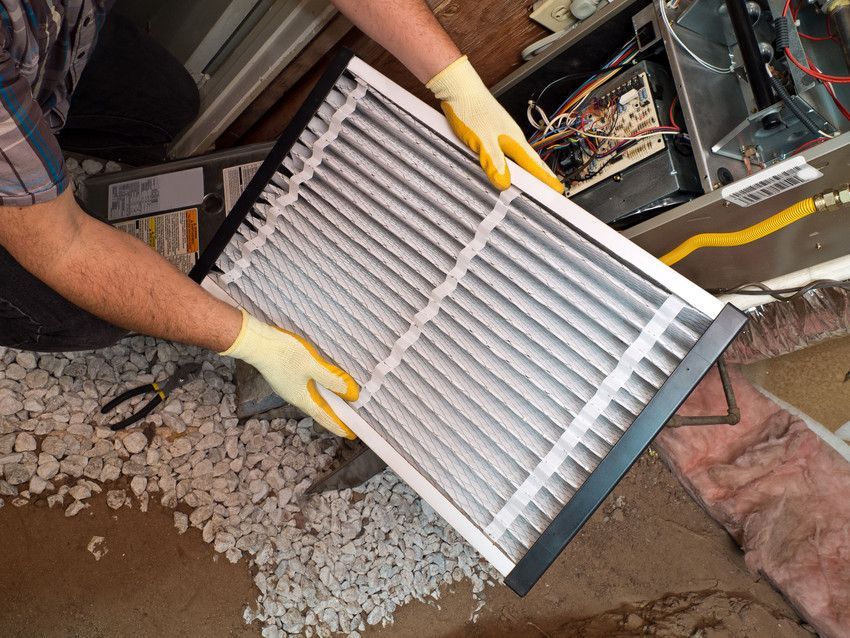
Preventative maintenance is critical as continuous winter heating begins, but the depth of a "seasonal tune-up" varies dramatically across different contractors. Some budget operators perform little more than a visual scan and a five-minute filter swap before handing you an invoice. A reputable HVAC company will hand you a transparent, itemized safety checklist covering heat exchangers, burners, and electrical connections.
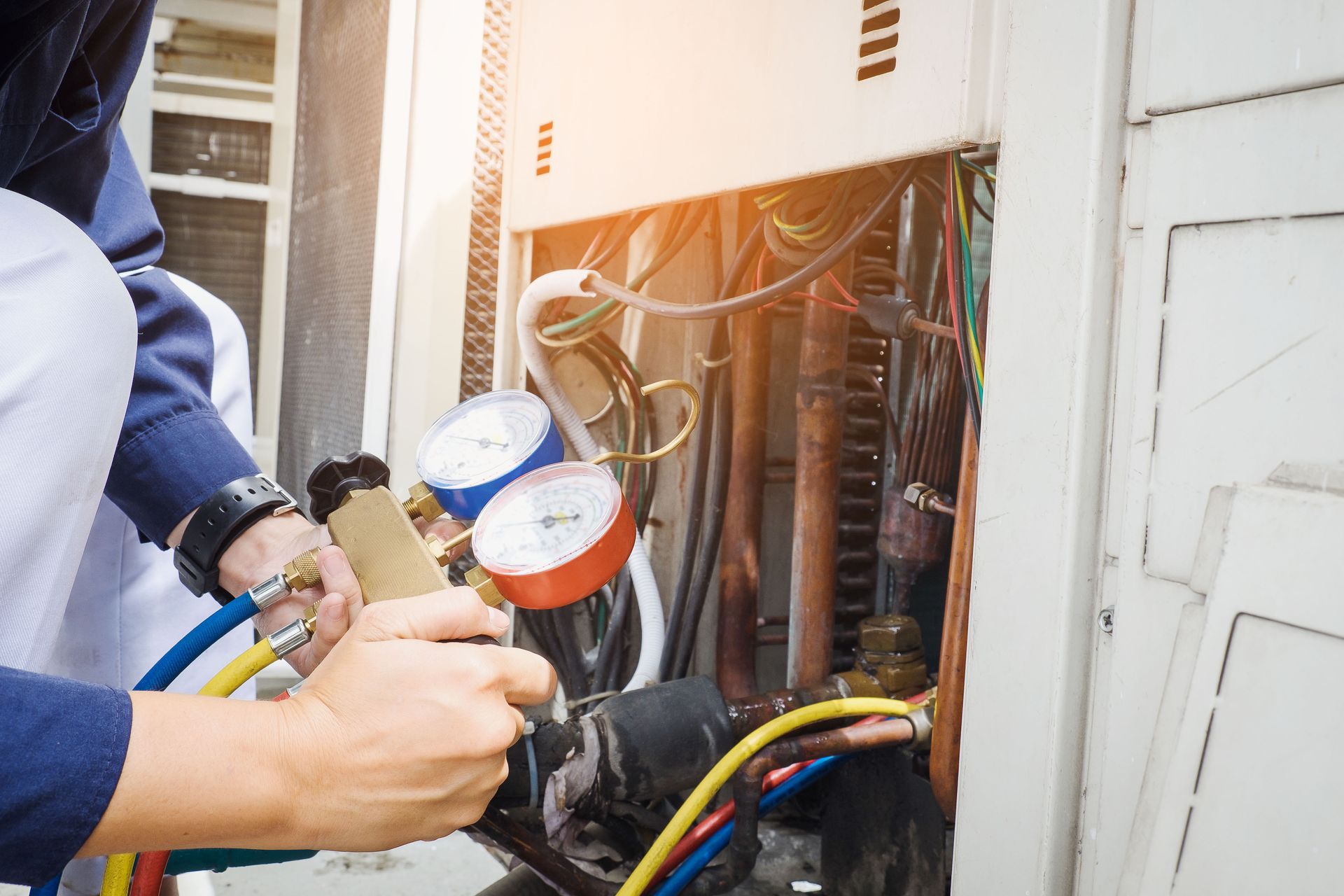
In a thorough tune-up, the technician should meticulously inspect the heat exchanger for microscopic cracks or corrosion that could leak deadly carbon monoxide into your living spaces. They should also clean and calibrate the burner assembly, test the flame sensor, inspect the flue and venting systems, measure motor amp draws, check electrical connections, verify static duct pressure, and test safety shutoff switches. Asking for a written checklist in advance ensures you are paying for an exhaustive safety and performance tune-up rather than a superficial glance.
5. Clarify Warranties and Guarantees
When investing in major heating repairs or a brand-new heating system, the warranty paperwork is just as important as the physical hardware. Many homeowners mistakenly assume that an equipment warranty covers all future service expenses, only to be surprised by steep labor bills later on. Always ask your prospective HVAC company whether they back their installations with a standalone labor warranty alongside the manufacturer's coverage.
While equipment manufacturers generally provide a warranty covering defective parts, that warranty rarely covers the technician's labor to diagnose and replace those parts. Leading contractors typically provide their own labor warranty on installations. Furthermore, ask whether they provide a written satisfaction guarantee and inquire about specific stipulations—such as mandatory annual professional maintenance—required to keep both labor and factory warranties active.
6. Assess Experience
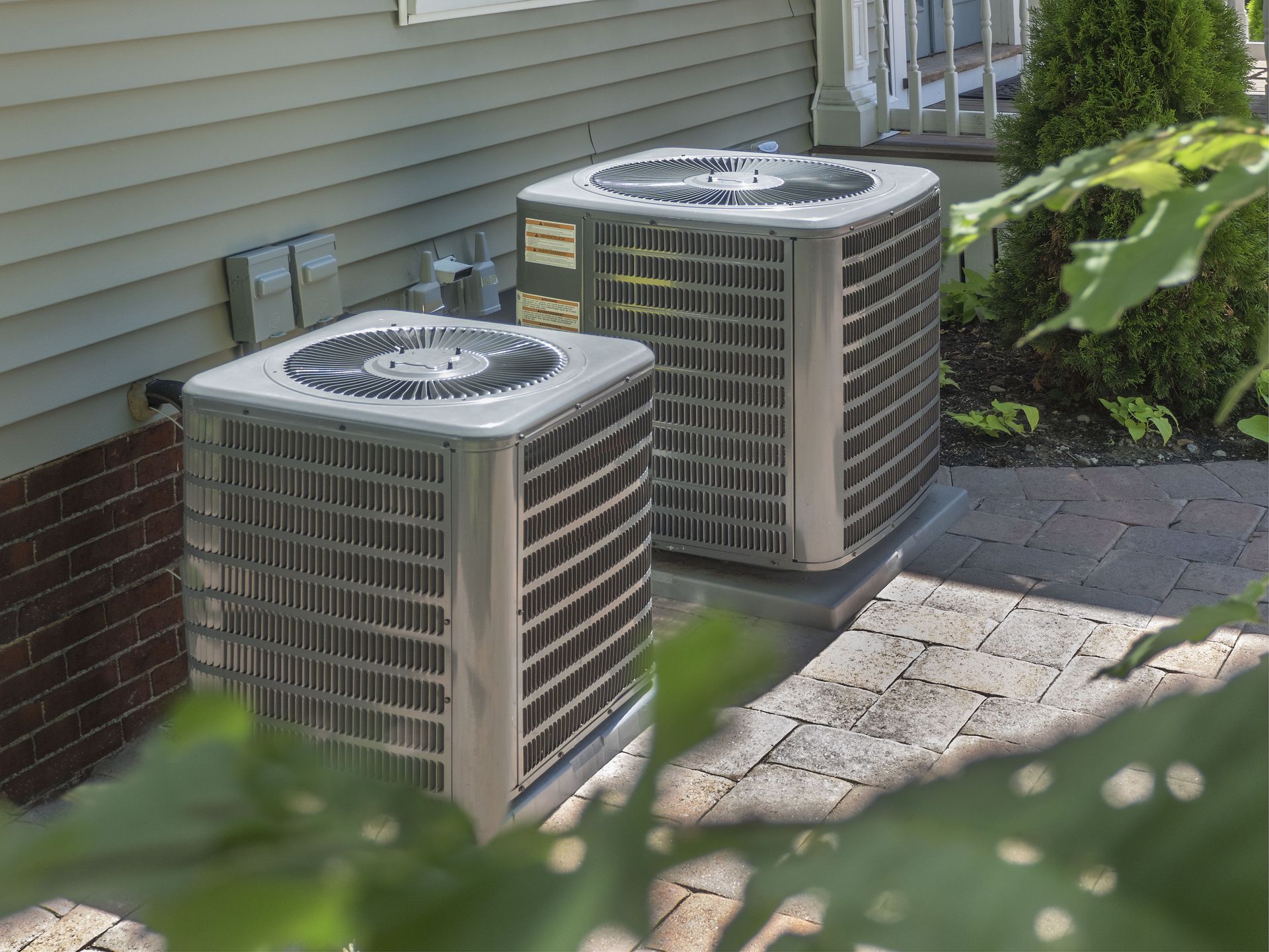
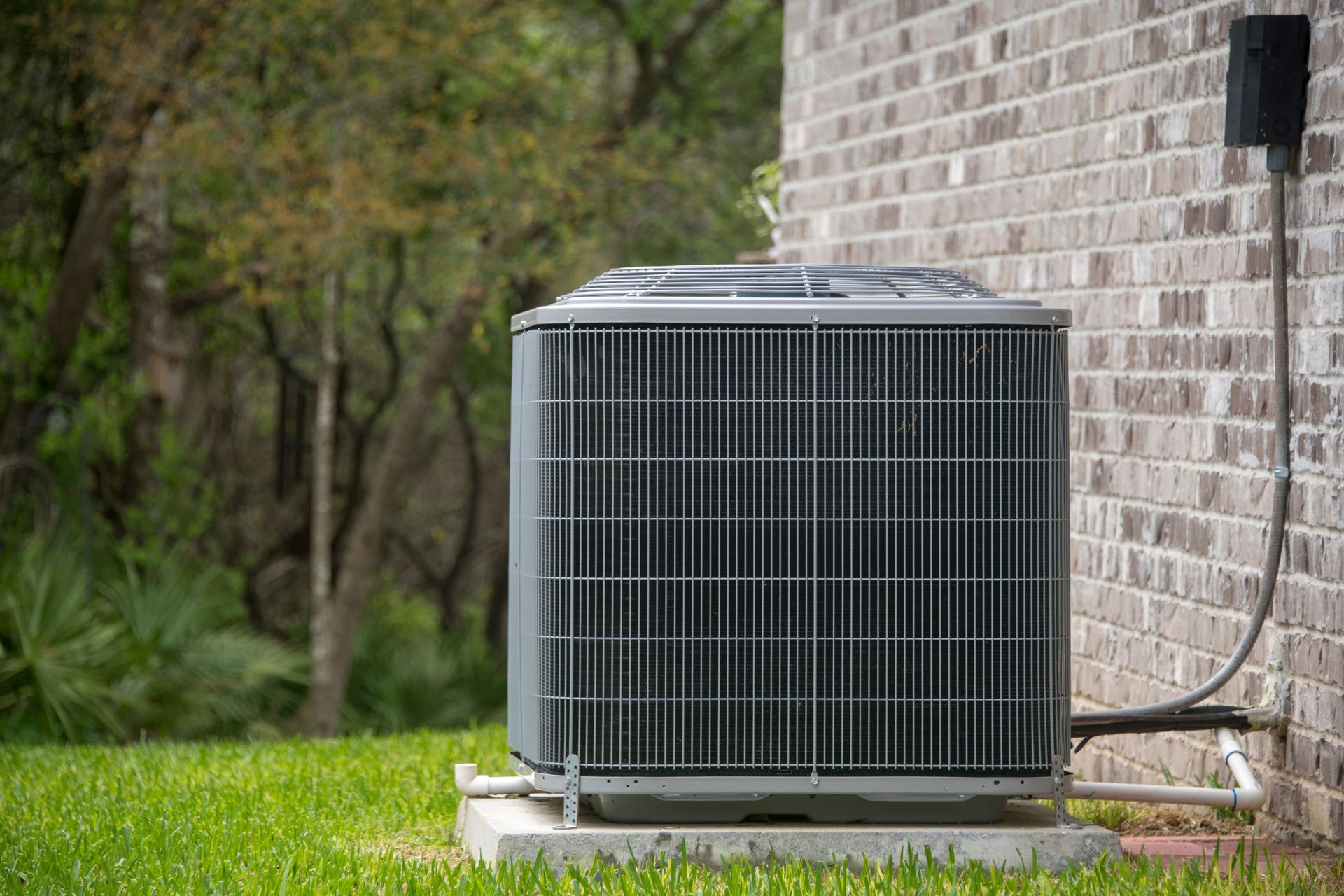
HVAC technology has advanced rapidly in recent years, with modern units offering significantly better efficiency and climate control than older, single-stage models. As utility rates climb, you need a contractor who is experienced in modern high-efficiency options, including two-stage gas furnaces, variable-speed blowers, dual-fuel hybrid setups, and cold-climate heat pumps. Investing in these high-efficiency systems not only lowers your monthly energy bills, but it also significantly reduces the long-term wear and tear on your equipment. Look for an experienced HVAC company that understands sizing and utility rebate qualifications.
Modern inverter-driven heat pumps can now efficiently warm homes even when outdoor temperatures plunge well below freezing, offering substantial savings over conventional systems. An experienced team will explain the tangible differences between an 80% AFUE standard furnace and a 96%+ condensing unit, calculate your anticipated return on investment, and guide you through regional utility rebates or federal tax credits, such as the 25C Energy Efficient Home Improvement Credit under the Inflation Reduction Act.
Taking the time to screen your local
HVAC company before winter sets in protects your home, your budget, and your family's comfort. Rather than waiting for a freezing morning to call whichever technician answers first, using these targeted questions enables you to partner with a skilled, transparent, and insured professional team. A dependable partner does far more than swap parts; they calibrate your system for peak efficiency, keep your energy bills manageable, and ensure your home remains a safe and warm sanctuary all season long.
Don't wait for the first freezing night of the season to discover your heating system isn't working at peak performance. Contact the licensed heating specialists at B&S Comfort Solutions, LLC today to schedule your comprehensive pre-winter safety inspection and tune-up. Call our office or book your appointment online now to keep your home warm, safe, and efficient all winter long.